
A home’s plumbing system works continuously to deliver clean water and remove wastewater. However, many important pipes and connections remain concealed behind walls, beneath floors, and above ceilings. Consequently, plumbing problems can develop without attracting immediate attention.
A small leak may initially seem harmless, but prolonged moisture exposure can damage drywall, flooring, insulation, and wooden framing. Similarly, recurring drain clogs or unusual water pressure changes may signal developing problems within the plumbing system.
Fortunately, homeowners can often recognize early warning signs before serious damage occurs. Understanding these symptoms allows property owners to respond quickly, arrange necessary repairs, and avoid unnecessary expenses.
Regular inspections and preventive maintenance also help protect plumbing components and maintain reliable household water systems.
Identify Unexplained Water Stains and Damp Areas
Unexpected moisture represents one of the most noticeable signs of hidden plumbing damage.
For example, homeowners may discover discolored patches on ceilings, peeling paint near bathrooms, or swollen cabinets beneath kitchen sinks.
Although these symptoms sometimes result from roof leaks or condensation, damaged plumbing pipes may also be responsible.
If you notice persistent damp spots, unexplained increases in your water bill, or unusual pipe noises, contacting this plumbing company can help you identify hidden plumbing issues early and prevent more extensive damage to your home.
Water can travel along structural framing before reaching a visible surface. Therefore, the location of a stain does not always reveal the actual leak.
Homeowners should investigate recurring discoloration, damp drywall, and unusual flooring changes.
Additionally, soft wall surfaces or persistent moisture around plumbing fixtures deserve attention.
The EPA’s moisture management guidance explains why controlling unwanted moisture helps prevent indoor mold growth.
Addressing water intrusion promptly can prevent further deterioration of surrounding materials.
Monitor Unexpected Increases in Water Bills
A hidden water leak does not always create an obvious puddle.
Sometimes, homeowners first notice an unusual increase in their monthly water bill.
For instance, a leaking toilet valve or underground supply pipe may continuously waste water without producing visible damage.
Therefore, homeowners should compare water consumption across similar billing periods.
If household routines remain unchanged but usage rises significantly, further investigation may be necessary.
The EPA’s WaterSense maintenance recommendations suggest checking water meters during periods when no fixtures are operating.
If the meter continues recording usage, a hidden leak may exist.
Additionally, smart leak detection systems can monitor unusual water consumption and provide early warnings.
These simple checks help homeowners identify water waste before it contributes to expensive repairs.
Pay Attention to Changes in Water Pressure
Water pressure should remain reasonably consistent during normal household use.
However, sudden decreases may indicate an underlying plumbing issue.
A single faucet with weak flow may have a clogged aerator or partially closed valve.
In contrast, low pressure throughout the property could involve supply-line leaks, pressure regulator problems, mineral accumulation, or municipal water supply conditions.
Homeowners should determine whether the issue affects hot water, cold water, or both.
Additionally, they should check whether pressure changes occur only when multiple fixtures operate.
These observations help professional plumbers identify possible causes.
Persistent or sudden pressure changes deserve investigation, particularly when they occur alongside unexplained moisture or increased water consumption.
Recognize Recurring Drainage Problems
Occasional drain clogs are common in residential properties.
Hair, soap residue, grease, and food particles can gradually collect inside drainage pipes.
However, recurring blockages may indicate a deeper restriction.
For example, a bathroom drain that repeatedly slows down after cleaning may have buildup farther inside the pipe.
More importantly, several slow drains throughout the house can suggest a problem affecting the main sewer line.
Homeowners should also watch for wastewater appearing in nearby fixtures when washing machines or toilets operate.
These patterns indicate that wastewater may not be moving through the drainage system normally.
Rather than repeatedly using chemical cleaners, homeowners should identify the underlying cause.
Professional drain inspections can reveal restrictions that ordinary household cleaning methods cannot resolve.
Investigate Unusual Sewer Odors
Persistent sewage smells can indicate drainage or ventilation problems.
Normally, plumbing traps hold water that helps prevent sewer gases from entering occupied spaces.
However, an unused fixture may develop a dry trap that allows unpleasant odors to escape.
Damaged drain pipes, faulty seals, or blocked vent systems can create similar symptoms.
Therefore, homeowners should identify where the odor originates.
If an infrequently used floor drain smells unpleasant, restoring water to the trap may resolve the issue.
However, odors that persist or appear alongside drainage problems require professional attention.
Homeowners can also review common sewer backup warning signs to understand when unusual drainage behavior may indicate a larger problem.
If sewage backs up indoors, avoid using affected plumbing fixtures and arrange professional assistance promptly.
Listen for Unusual Plumbing Noises
Plumbing systems produce some normal operating sounds, but sudden changes deserve attention.
For example, loud banging after closing a faucet may result from water hammer or inadequately secured pipes.
Similarly, repeated gurgling sounds can indicate restricted drainage or ventilation problems.
A continuous running-water sound when nobody uses a fixture may suggest a hidden leak.
Therefore, homeowners should pay attention to when unusual sounds occur.
Does the noise begin after flushing a toilet?
Does it happen when the washing machine operates?
Does it continue when all faucets remain closed?
These details can help plumbers narrow down potential causes.
Although sounds alone cannot confirm damage, persistent changes provide useful diagnostic information.
Inspect Water Heaters for Developing Problems
Water heaters require regular attention because they store or heat water under demanding operating conditions.
Over time, sediment accumulation, corrosion, and component wear may reduce performance.
Homeowners might notice inconsistent hot water, unusual rumbling noises, discolored water, or moisture around the equipment.
However, these symptoms can have several causes.
For example, water around a tank may originate from a fitting, valve, condensation, or tank failure.
Therefore, professional diagnosis becomes important when the source remains unclear.
Homeowners researching local plumbing support can explore Halpin Plumbing in Cincinnati when comparing water heater inspections, leak detection, and other plumbing services.
Early attention can help prevent damage to nearby walls, floors, and stored belongings.
Check Toilets for Hidden Water Waste
Toilets can develop leaks that waste water without creating visible puddles.
A deteriorated flapper, malfunctioning fill valve, or improperly adjusted component may allow water to flow continuously into the bowl.
Consequently, water bills can increase even when household usage remains unchanged.
Homeowners should listen for toilets that refill unexpectedly between flushes.
Additionally, they can inspect accessible connections and supply valves for dripping or corrosion.
The EPA’s WaterSense leak prevention resources offer practical guidance for identifying common household fixture leaks.
Addressing these problems promptly reduces water waste and helps maintain dependable fixture operation.
Watch for Musty Odors and Mold Growth
Persistent musty smells may reveal moisture problems that homeowners cannot see.
For instance, water leaking behind bathroom walls may dampen drywall or insulation without immediately appearing on the surface.
Over time, this moisture can create conditions that support mold growth.
Additionally, homeowners may notice dark patches, bubbling paint, or deteriorating materials.
The EPA’s guidance on mold odors recommends investigating persistent musty smells because they may indicate concealed mold.
Therefore, homeowners should address the moisture source rather than simply covering the odor with cleaning products.
Professional moisture detection can help identify hidden leaks and affected building materials.
Protect Plumbing During Freezing Weather
Cold temperatures can create serious problems for exposed or poorly insulated pipes.
When water freezes inside a pipe, expanding ice can increase pressure and contribute to pipe failure.
Pipes located in unheated garages, crawl spaces, and exterior walls may face greater risks.
Therefore, homeowners should insulate vulnerable plumbing and maintain adequate indoor heating during severe cold.
Additionally, they should disconnect outdoor hoses and follow local winterization recommendations.
If a faucet suddenly stops delivering water during freezing conditions, a frozen pipe may be responsible.
Homeowners should avoid using open flames or unsafe heating methods to thaw plumbing.
Qualified professionals can evaluate suspected frozen or damaged pipes safely.
Examine Plumbing Connections Beneath Sinks
Cabinets beneath sinks often conceal small leaks for extended periods.
Loose fittings, aging supply hoses, and deteriorated seals may release water slowly.
Consequently, wooden cabinets can swell, flooring may discolor, and nearby materials can deteriorate.
Homeowners should periodically inspect accessible plumbing connections.
Look for droplets, corrosion, damp surfaces, and unusual stains.
Furthermore, check around washing machines, dishwashers, and refrigerator water connections.
A brief inspection every few months can uncover problems before moisture spreads into surrounding areas.
Understand When Professional Leak Detection Is Necessary
Not every plumbing problem reveals its location through a visible leak.
Water may travel beneath concrete slabs, through wall cavities, or along buried pipes.
Professional plumbers can use pressure testing, acoustic equipment, moisture meters, and other diagnostic methods to investigate concealed plumbing problems.
For example, pressure testing can help determine whether a water supply system is losing pressure under controlled conditions.
Meanwhile, moisture measurements can identify areas that require further investigation.
However, accurate diagnosis often involves combining several observations.
Professional testing helps homeowners avoid unnecessary demolition and focus repairs on the actual problem.
Develop a Preventive Plumbing Maintenance Routine
Homeowners can reduce avoidable plumbing damage by following a simple maintenance schedule.
Useful practices include:
- Inspect accessible supply lines and connections for leaks.
- Monitor monthly water consumption.
- Check toilets for continuous running.
- Investigate recurring drain clogs.
- Examine water heaters for corrosion or moisture.
- Protect vulnerable pipes before freezing weather.
- Keep plumbing repair and inspection records.
- Contact a qualified plumber when warning signs persist.
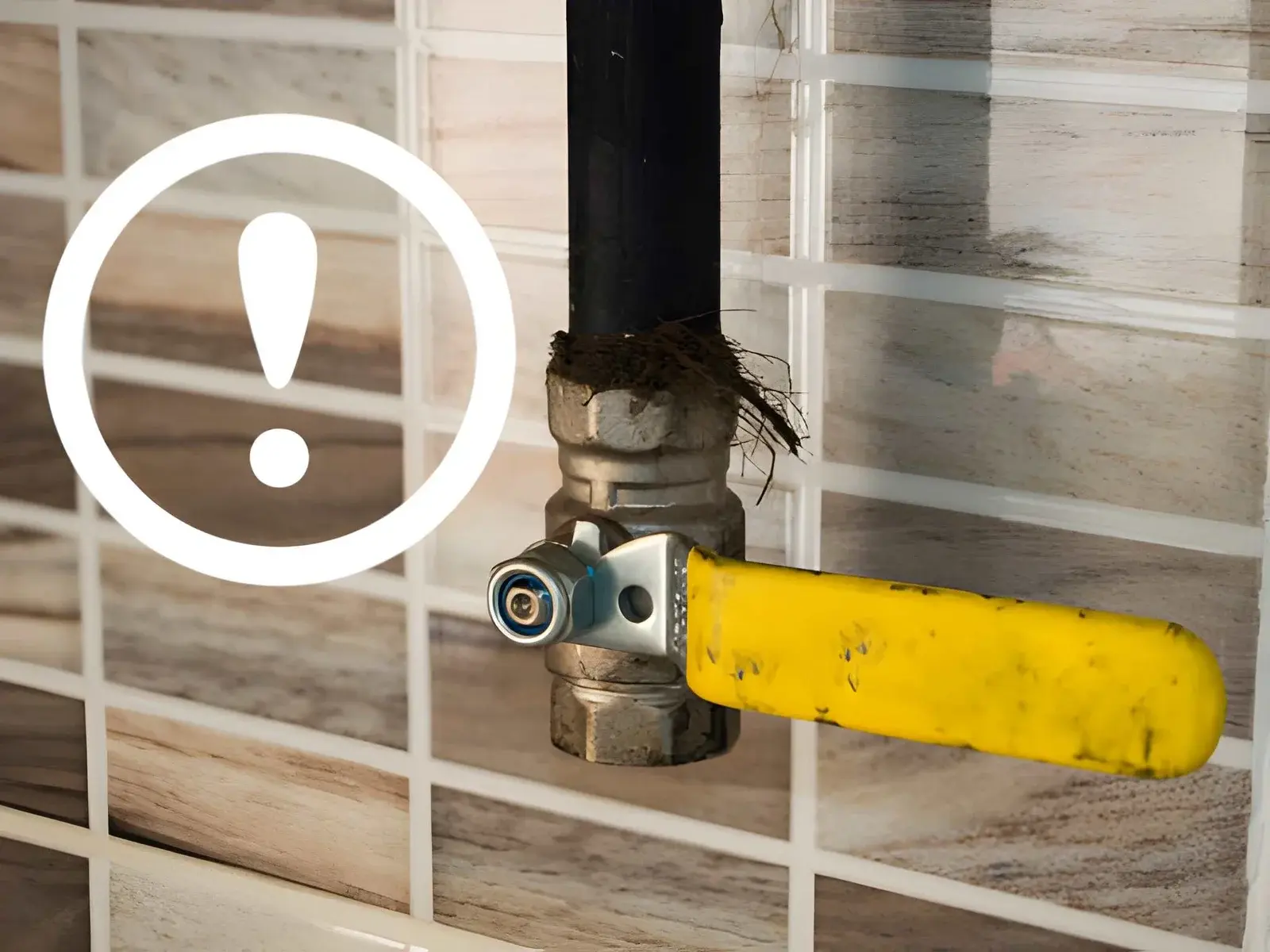
Furthermore, homeowners should know where the main water shutoff valve is located.
If a supply pipe fails, shutting off the water promptly can help limit property damage.
Conclusion
Hidden plumbing problems can develop gradually before causing significant property damage.
Water stains, rising utility bills, unusual sounds, recurring clogs, sewer odors, and inconsistent water pressure may all indicate that something requires attention.
Fortunately, homeowners can reduce serious plumbing risks through regular inspections and timely repairs.
Additionally, professional leak detection and drainage evaluations can identify problems that remain concealed behind walls or beneath floors.
Most importantly, property owners should investigate recurring symptoms rather than repeatedly treating temporary inconveniences.
By recognizing warning signs early and maintaining a consistent plumbing care routine, homeowners can protect building materials, control unnecessary water expenses, and keep their plumbing systems operating reliably for years to come.
Also Read
- HM Meaning in Text: What Does HM Mean? Simply Explained With Best Examples in Real Life
- ML Meaning in Text: What Does ML Mean? With Clear Meaning and Best Examples
- 430+ Maine Puns That Lobster Your Funny Bone 🦞
