
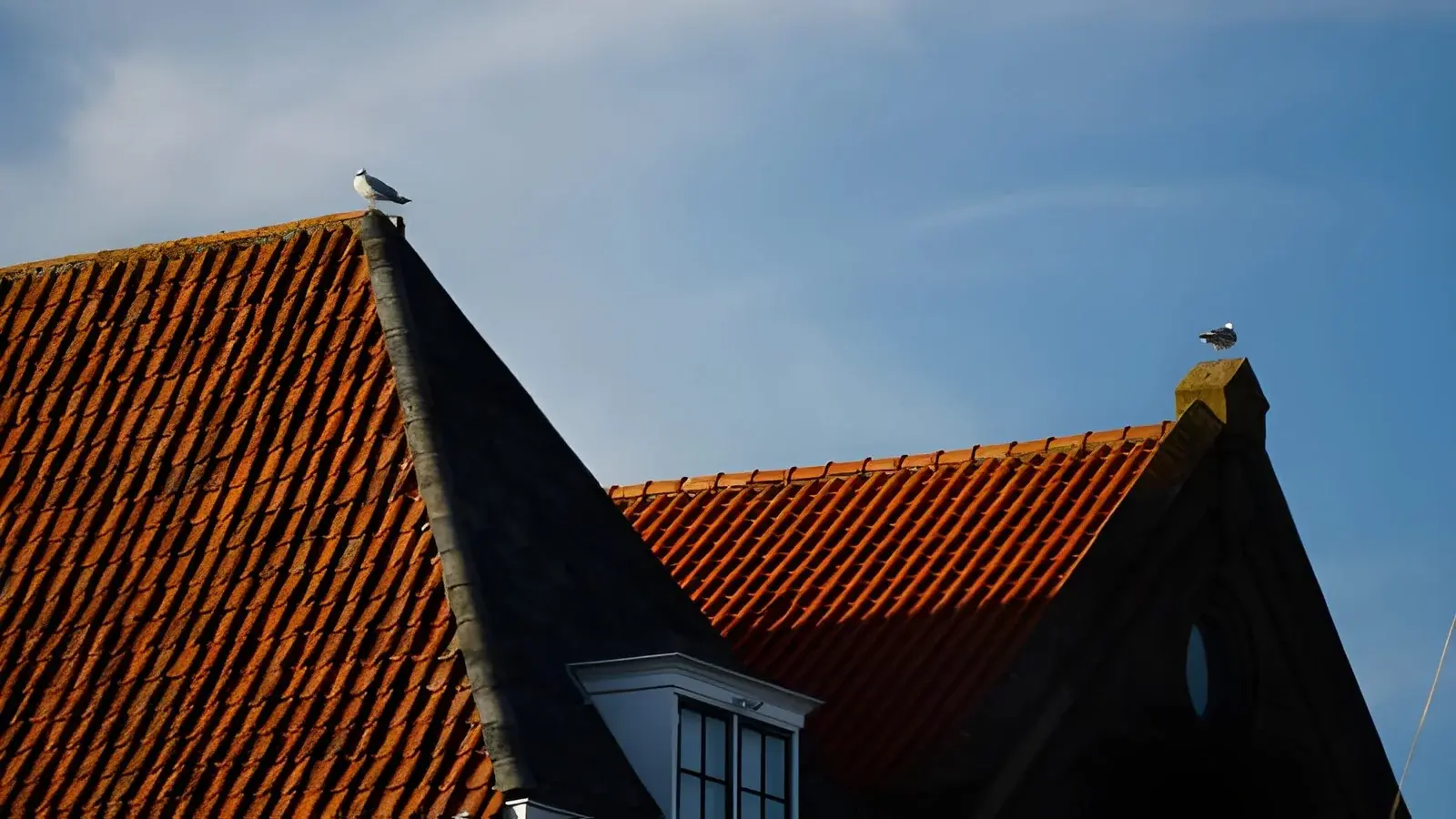
A roof serves as one of the most important protective components of a home. It shields the property from rain, sunlight, wind, snow, and changing temperatures while keeping the interior comfortable and dry. However, roofing systems do not last forever, and some deteriorate much faster than others.
Several factors influence how long a roof continues performing effectively. While roofing materials play a major role, installation quality, environmental conditions, maintenance habits, and attic performance also affect durability.
Fortunately, homeowners can control many of these factors through careful planning and preventive maintenance.
By understanding what determines roof longevity, property owners can make informed decisions, avoid premature deterioration, and reduce unnecessary repair expenses.
1. Roofing Material Quality and Durability
The type and quality of roofing material directly influence its expected service life.
Asphalt shingles remain a common residential roofing choice because they provide reliable weather protection at a relatively affordable price. Meanwhile, metal roofing, clay tiles, concrete tiles, and slate offer different levels of durability and maintenance requirements.
However, not all products within the same material category perform equally.
For example, premium asphalt shingles may include improved reinforcement, stronger protective granules, and better resistance to wind damage.
Similarly, high-quality metal roofing systems often feature protective coatings designed to reduce corrosion and weather-related deterioration.
Therefore, homeowners should evaluate product specifications rather than selecting materials based exclusively on initial cost.
Consider Climate When Selecting Materials
Local weather conditions should influence roofing material selection.
Homes in hot regions may benefit from roofing products that resist intense sunlight and ultraviolet exposure.
The U.S. Department of Energy’s cool roof guidance explains how reflective roofing materials can reduce heat absorption and support energy efficiency in suitable climates.
Meanwhile, homes in coastal regions require careful consideration of corrosion resistance.
Properties exposed to heavy snow or hail may need roofing systems designed for those conditions.
Consequently, choosing suitable materials helps reduce premature wear and supports long-term performance.
Compare Long-Term Value
A lower purchase price does not always translate into lower lifetime costs.
Some inexpensive materials may require more frequent maintenance or earlier replacement.
Therefore, homeowners should compare durability, warranty coverage, installation expenses, and expected maintenance requirements before making a final decision.
2. Professional Installation and Workmanship
Even high-quality roofing materials can fail prematurely when contractors install them incorrectly.
Roof installation involves several important components, including underlayment, flashing, ventilation details, fasteners, drainage systems, and roof penetrations.
Every component must work together to prevent moisture intrusion.
For example, improperly installed flashing around chimneys or skylights may allow water to enter beneath roofing materials.
Likewise, incorrect fastener placement can reduce resistance to strong winds.
These problems may remain hidden until severe weather exposes them.
Therefore, installation quality matters just as much as product selection.
Choose Experienced Roofing Professionals
Homeowners should evaluate contractors based on qualifications, relevant experience, installation practices, and warranty protection.
Additionally, they should ask whether installers follow manufacturer instructions and applicable building requirements.
An experienced contractor can identify structural concerns before installation begins and recommend suitable materials for the property.
Professional roof repair services can also help homeowners address existing damage before small defects spread into larger roofing problems.
However, homeowners should request clear estimates and understand the proposed scope of work before approving repairs.
Pay Attention to Roofing Details
Roof valleys, vents, chimneys, and wall intersections require particularly careful installation.
These locations experience concentrated water movement and create potential entry points for moisture.
Proper flashing, underlayment, and drainage details help protect these vulnerable sections.
Furthermore, accurate installation reduces the likelihood of recurring leaks and expensive corrective work.
3. Climate and Environmental Exposure
Weather conditions influence roof aging throughout the year.
Continuous exposure to sunlight, moisture, wind, and temperature fluctuations gradually affects roofing materials.
However, different climates create different challenges.
Heat and Ultraviolet Exposure
Strong sunlight can accelerate deterioration in certain roofing materials.
Repeated heating and cooling cause roofing components to expand and contract.
Over time, this movement may contribute to cracking, loosening, or surface wear.
Additionally, high roof temperatures can increase heat transfer into living spaces.
Homeowners in warm climates may consider suitable reflective materials during roof replacement.
Heavy Rain and Moisture
Rainwater creates problems when a roofing system contains damaged flashing, missing shingles, or poor drainage.
Even small openings can allow moisture to reach the roof deck.
Consequently, repeated exposure may damage wooden framing, insulation, and interior surfaces.
Homeowners should therefore investigate water stains and recurring leaks promptly.
Snow, Ice, and Strong Winds
Cold climates introduce additional challenges.
Snow accumulation adds weight to roofing structures, while repeated freezing and thawing can affect vulnerable roof areas.
Ice dams may also develop when snow melts on warmer sections and refreezes near colder eaves.
Meanwhile, strong winds can lift poorly secured shingles and damage exposed components.
Although homeowners cannot control weather conditions, regular inspections and appropriate roofing materials can reduce the impact of severe exposure.
4. Preventive Maintenance and Timely Repairs
Routine maintenance represents one of the most effective ways to protect roofing investments.
Unfortunately, homeowners often overlook minor problems until noticeable water damage develops.
For example, a loose shingle may initially seem insignificant. However, heavy rainfall can push water beneath the exposed section and damage underlying materials.
Therefore, homeowners should inspect visible roof conditions periodically and arrange professional evaluations when necessary.
Recognize Common Roof Damage
Important warning signs include:
- Missing, cracked, or curling shingles
- Damaged flashing around roof penetrations
- Rust or corrosion on metal components
- Moss and algae accumulation
- Blocked gutters and roof valleys
- Excessive shingle granules in gutters
- Water stains inside attics or ceilings
- Unusual sagging or visible deformation
These symptoms do not always require complete roof replacement.
However, they indicate that homeowners should investigate the condition before deterioration spreads.
Keep Gutters and Downspouts Clear
Gutters help direct rainwater away from roof edges and foundations.
When leaves, twigs, or debris block them, water may overflow toward fascia boards and exterior walls.
Consequently, prolonged moisture exposure can damage surrounding materials.
Homeowners should clean gutters as needed, particularly after heavy leaf fall.
Additionally, downspouts should release water away from the building.
Proper drainage reduces avoidable moisture exposure and helps protect the roofing system.
Trim Nearby Trees
Overhanging branches can scrape shingles during strong winds.
Additionally, falling limbs may cause immediate roof damage.
Leaves can also collect in valleys and drainage areas, trapping moisture.
Therefore, homeowners should maintain reasonable clearance between trees and roofing surfaces.
Qualified tree professionals should handle large or hazardous branches.
Repair Small Defects Promptly
Quick repairs prevent minor roofing defects from becoming extensive restoration projects.
For example, correcting damaged flashing early may prevent moisture from reaching insulation and ceilings.
However, homeowners should avoid attempting dangerous roof work without suitable equipment and experience.
Professional inspections provide a safer way to assess difficult or elevated areas.
5. Attic Ventilation and Insulation
Attic conditions can significantly influence roofing performance.
Although exterior weather affects the roof directly, heat and moisture from inside the home also influence the roof assembly.
Therefore, suitable ventilation, insulation, and air sealing play important roles in long-term durability.
Maintain Appropriate Ventilation
Many residential roofs use soffit vents and ridge vents to encourage airflow through vented attic spaces.
This movement can help control excess heat and moisture.
The ENERGY STAR attic ventilation guide explains how ventilation works alongside insulation and air sealing to support roof performance.
However, blocked vents can disrupt airflow.
For instance, insulation placed directly over soffit openings may prevent outside air from entering the attic.
Consequently, homeowners should verify that ventilation pathways remain clear.
Properly designed unvented roof assemblies use different moisture-control strategies, so ventilation changes should always match the roof’s construction.
Improve Insulation and Air Sealing
Insulation reduces unwanted heat transfer between living spaces and attic areas.
Meanwhile, air sealing prevents warm, moist indoor air from escaping through ceiling openings.
The ENERGY STAR attic air-sealing recommendations explain how sealing gaps around appropriate penetrations can improve energy performance.
Additionally, controlling attic heat loss may reduce conditions that encourage ice dam formation during winter.
However, homeowners should maintain necessary ventilation clearances and use fire-safe materials around heat-producing components.
Additional Factors That Influence Roof Performance
Although the five primary factors have the greatest practical importance, several other conditions deserve attention.
Roof Design and Drainage
Roof slope affects how efficiently water leaves the surface.
Low-slope roofing systems often require specialized waterproofing materials and carefully designed drainage.
Meanwhile, complex roofs with multiple valleys and penetrations create additional areas that require maintenance.
Previous Repairs
Poorly completed repairs may create recurring problems.
For example, applying temporary sealant over damaged flashing may conceal the issue without correcting the underlying defect.
Therefore, homeowners should keep maintenance records and investigate repeated leaks.
Unnecessary Roof Traffic
Walking on roofing materials can cause accidental damage.
Fragile tiles may crack, while aging shingles can lose protective granules.
Consequently, homeowners should minimize roof traffic and leave detailed inspections to qualified professionals.
How to Create a Roof Maintenance Plan
A simple seasonal schedule can help homeowners maintain consistent roof protection.
During spring, inspect visible damage following winter conditions.
In summer, evaluate ventilation concerns and check for heat-related wear.
During autumn, clear gutters and remove accumulated leaves.
In winter, monitor ice accumulation and investigate interior moisture safely.
Furthermore, homeowners should document roof inspections, repairs, and major weather events.
Keeping photographs and service records helps contractors recognize recurring problems and evaluate overall roof condition.
When Should Homeowners Consider Roof Replacement?
Regular maintenance can extend useful roof life, but every roofing system eventually requires replacement.
Homeowners should consider replacement when widespread deterioration, repeated leaks, or extensive structural damage makes continued repairs impractical.
However, age alone does not determine whether replacement is necessary.
A professional roofer should examine material condition, installation quality, damage patterns, and repair history.
By comparing repair costs with long-term replacement benefits, homeowners can make more informed financial decisions.
Conclusion
Roof longevity depends on several interconnected factors rather than material age alone.
Roofing quality, professional installation, climate exposure, preventive maintenance, and attic conditions all influence how reliably a roof protects the property.
Fortunately, homeowners can manage many of these factors through regular inspections, prompt repairs, suitable material choices, and proper ventilation.
Furthermore, maintaining clean gutters, controlling moisture, and protecting vulnerable roof areas can reduce unnecessary deterioration.
Most importantly, homeowners should respond to small warning signs before they become extensive problems.
With consistent care and informed decisions, a roofing system can provide dependable protection, preserve property value, and deliver better long-term performance.
Also Read
- HM Meaning in Text: What Does HM Mean? Simply Explained With Best Examples in Real LifeCopy
- ML Meaning in Text: What Does ML Mean? With Clear Meaning and Best ExamplesCopy
